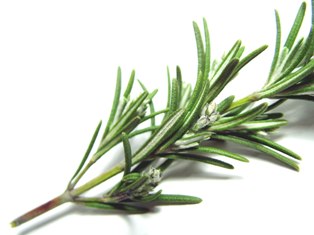
Rosemary Tea

Image by recipe4living on Flickr

Rosemary tea is a caffeine-free herbal beverage, it is made from the leaves of the perennial herb that comes from the Lamiaceae family. Rosemary tea contains high amounts of vitamin A and C, carotenoids, potassium, calcium, magnesium and phosphorus. This delicious beverage is native to the Mediterranean and South America, where it is enjoyed by millions. Rosemary tea has a mild yet moderate flavor of mint and lemon with a strong taste of pine.

Health Benefits

  • Strengthens immunity, as rosemary tea is high in antioxidants, antimicrobial, and anti-inflammatory compounds, these help:
    • Fight against sicknesses
    • Prevents cancer
    • Fights against infections
    • Improves blood circulation.
    • Prevents heart disease
    • Treats type 2 diabetes
    • Prevents inflammation, which improves healing of wounds and scabs.
  • Lowers blood sugar levels-treats type 2 diabetes, which prevents:
    • Heart damage
    • Kidney damage
    • Eye damage
    • Damage of the nervous system
  • Improves cognitive activity, thanks to the anti-inflammation properties in rosemary tea, it helps:
    • Improve concentration
    • Prevents the damage and death of brain cells
    • Improves physical and mental performance
    • Prevents an inflamed hipppocampus, which:
      • Improves memory
      • Reduces anxiety which improves emotions
  • Aids dyspepsia, thanks to the diuretics in rosemary tea, it helps improve:
    • Digestion
    • Bloating
    • Treats stomach pains, cramps and discomfort
    • Treats nausea
  • Strengthens optical health, thanks to the compounds in rosemary tea it helps improve vision which is weakened with age.
  • Treats hypertension known as high blood pressure.
  • Promotes weight loss, thanks to the low calories in rosemary tea, but avoid drinking with milk or sugar.
  • Aids in hair care which prevents hair loss known as alopecia.
  • Treats rheumatism which helps
    • Joints
    • Muscles
    • Fibrous tissue
    • Rheumatoid arthritis.

Side Effects

  • Pregnant or breastfeeding women should avoid drinking rosemary tea especially if consumed in large amounts as it can lead to miscarriages, consult a doctor before consumption.
  • Avoid mixing with medications that prevent blood clots and treat high pressure, consult a doctor before consumption.
  • May cause allergic reactions, stop and get medical attention immediately if you experience any of the following:
    • May cause indigestion if consumed in large amounts, as it can lead to
      • Stomach pains, cramps and discomfort.
      • Intestinal distress
    • May increase menstrual bleeding and symptoms
    • May cause vomiting and nausea
    • May cause spasms which is involuntary muscular contractions
    • May cause toxicity in kidneys, heart and stomach
    • May cause pulmonary edema which is fluid in the lungs
    • May cause individuals to fall into a coma
    • May cause seizures

Although herbal teas are known to be natural, that doesn’t mean that they are safe for everyone.

If pregnant or about to go under surgery or have any allergies consult with your doctor if it’s safe
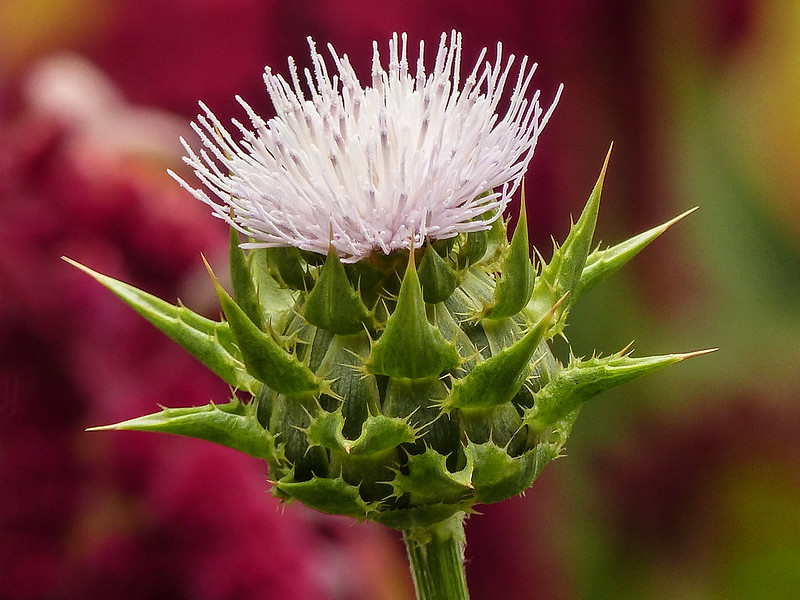
Milk Thistle Tea

Image by Anne Elliott on Flickr

Milk thistle tea is a caffeine-free herbal beverage, it is made from the flower silybum marianum from the asteraceae family. Milk thistle tea contains silymarin. It is native to the Mediterranean areas of the Middle East, North Africa and Europe. Milk thistle tea has a mildly and sweet flavor, which is often described that it has a similar taste to dandelion tea.

Health Benefits

  • Strengthens immunity, thanks to the antioxidants and anti-inflammatory properties contained milk thistle tea which helps:
    • Fight against infections
    • Prevents or treats against the flu and the common cold
    • Aids in seasonal allergies, consult a doctor before consumption
    • Repairs and increases cell growth
  • Slightly increases estrogen which helps:
    • Treats large prostates for men
    • Improves reproductive system
    • Stimulate the flow and production of breast milk
    • Treats late menstrual period as well as eases menstrual and PMS symptoms.
    • Eases menopausal symptoms such as:
      • Mood swings
      • Hot flashes
      • Excessive sweating
  • Improves and aids brain function in old age, specifically:
    • Alzheimer’s disease
    • Parkinson’s disease
  • Benefits liver health as milk thistle tea has it:
    • Cleanses the liver
    • Improves liver function
    • Increases liver cell growth
    • Provides treatment and protection against liver disease.
  • Aids in weight loss
  • The calming and soothing effects of milk thistle tea can help:
    • Ease withdrawal effects against addictions
    • Improves depression and their symptoms
    • Aids fatigue
  • Improves respiratory functions as milk thistle tea helps
    • Treat asthma
    • Treats breathing problems
  • Prevents headaches and migraines
  • Aids the digestive system, as milk thistle tea helps:
    • Prevent heartburn
    • Treats indigestion
    • Treats Irritable Bowel Movement (IBS)
  • Helps treat and prevent against type 2 diabetes.
  • Improves heart function, as milk thistle tea helps:
    • Prevent blood clots
    • Prevent heart attacks
    • Boost the levels of good (HDL) cholesterol and lowers bad (LDL) cholesterol.
  • Aids congestion, aiding in easier breathing.
  • Prevents and fights against cancer thanks to milk thistle tea stops thee production of cancerous cells- consult your doctor before consumption

Side Effects

  • Pregnant or breastfeeding should avoid consuming milk thistle tea and should consult a doctor if you wish to drink tea.
  • Do not mix with medications as it could lead to major reactions.
  • Individuals with cancer should avoid consumption and consult a doctor as milk thistle tea may interfere with chemotherapy.
  • May cause allergic reactions, stop drinking and get medical attention immediately if you experience any of the following:
    • Mild headache
    • Diarrhea
    • Nausea
    • Digestive distress, such as:
      • Bloating
      • Gas
      • Upset stomach

Although herbal teas are known to be natural, that doesn’t mean that they are safe for everyone.s

If pregnant or about to go under surgery or have any allergies consult with your doctor if it’s safe
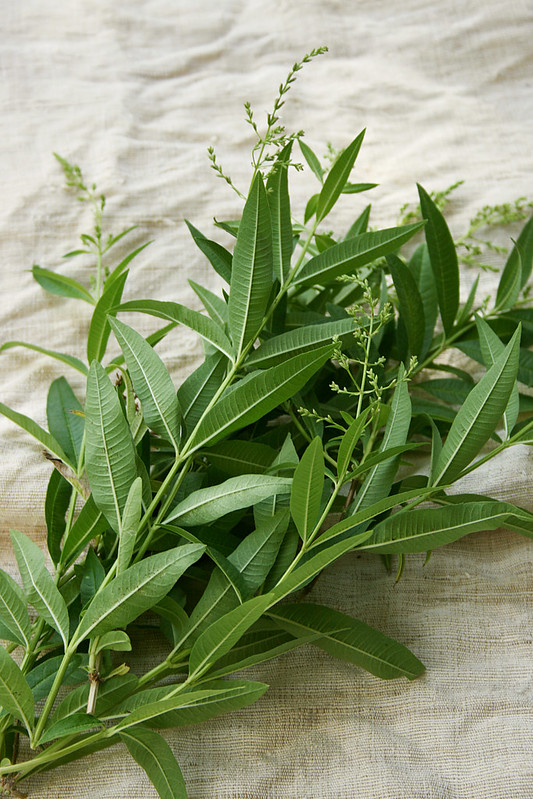
Lemon Verbena Tea

Image by Greg @ Flickr on Flickr

Lemon verbena tea is a decaffeinated herbal beverage, it is made from the petals and leaves of the Aloysia citrodora which comes from the verbena plant family. Lemon verbena tea contains verbascoside and luteolin, citral, eucalyptol, geranial andd sulcatone. Lemon verbena tea is native to South America where it is enjoyed for its delicious taste, which is described that is has a sweet and citric flavor.

Health Benefits

  • Aids weight loss as lemon verbena tea helps reduce cravings, controlling our appetite.
  • Strengthens muscles, it’s the best beverage to consume before a workout.
  • Reduces inflammation which gives our bodies:
    • A faster recovery if there is an injury.
    • Reliefs pain.
  • Improves breathing, as lemon verbena tea helps ease respiratory problems.
  • Treats congestion since lemon verbena tea helps clear mucus.
  • Strengthens immunity which helps:
  • Fight against the flu and common cold as well as reduces high tempretures.
  • Improves digestions, as lemon verbena tea helps:
    • Eases bloating
    • Eases stomach pain and cramps.
  • Improves insomnia, thanks to the calming effects of lemon verbena tea.

Side Effects (There are no known risks to consuming lemon verbena tea)

  • Pregnant or breastfeeding women should consult a doctor before consumption.
  • Avoid mixing with medication as it could cause negative reactions, consult a doctor before consumption.
  • May cause allergic reactions, if you experience pain or discomfort stop immediately and consult a doctor.
  • Avoid drinking lemon verbena tea if you have a kidney disorders or consult a doctor if you wish to consume tea.
  • Avoid large consumption of lemon verbena tea, as it can lead to kidney stones.

Although herbal teas are known to be natural, that doesn’t mean that they are safe for everyone.

If pregnant or about to go under surgery or have any allergies consult with your doctor if it’s safe.

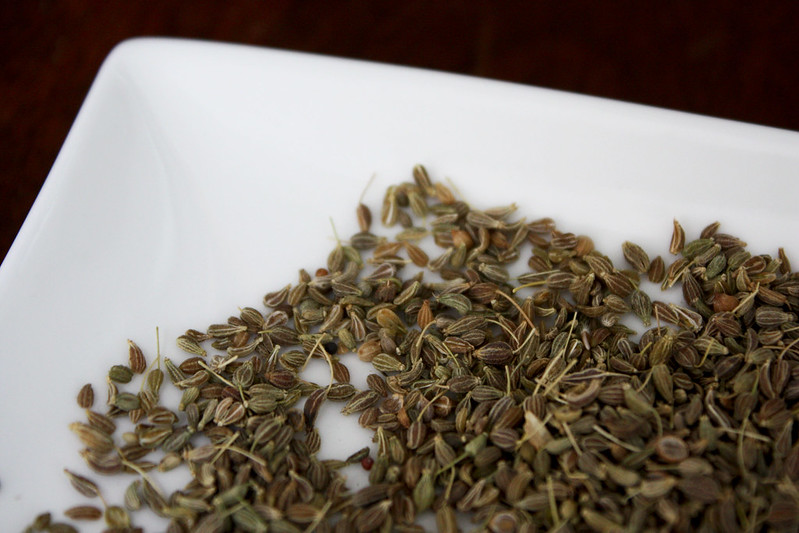
Anise Tea

Image by nooschi on Flickr

Anise Tea is a decaffeinated herbal beverage, it is made from the seeds and leaves of the anise plant also known as pimpinella anisum from the Apiaeae family. Anise is also known as Aniseeds, sweet cumin and yansoon. Anise tea rich in nutrients which contains minerals such as magnesium, calcium, iron, zinc, copper and potassium as well as containing B-vitamins. Anise tea is native to the Middle East where for years its been used for it’s medical and calming properties. This delicious beverage has a sweet savoring licorice-like flavor.

Health Benefits

  • Improves insomnia, anise tea has calming effects which improves sleep. as well as helps treat:
    • Anxiety
    • Depression
  • Eases indigestion which
  • Aids against stomach Ulcers and Irritable Bowel Syndrome (IBS), this can help ease:
    • Indigestion
    • Nausea
    • Heartburn
    • Reduces stomach acid production
    • Bloating
    • Stomach pain and cramps
  • Reduces inflammation, which helps the body fight off harmful substances which:
    • Protects against infection
    • Prevents fungi
    • Prevents bacteria.
  • Relieves menopause symptoms as anise tea contains nutrients that mimics estrogen, this helps reduce symptoms such as:
    • Hot flashes
    • Fatigue
    • Dry skin
  • Increase breast milk production for breastfeeding mothers.
  • Decreases morning sickness for pregnant women.
  • Benefits blood sugar levels which helps improve the function of insulin that helps cell production.
  • Some people apply anise directly on the skin( treat lice, scabs and/or psoriasis
  • Improves anemia
  • Relieves nasal congestion, easing easier breathing.

Side Effects (There are no known risks to consuming anise tea)

  • Pregnant or breastfeeding women should consult a doctor before consumption.
  • Avoid mixing with medication as it may cause negative reaction, consult a doctor before consumption.
  • May cause allergic reactions, avoid drinking tea and/or consult a doctor if you are allergic to similar plants from the same family like parsley, fennel, celery or dill.

Although herbal teas are known to be natural, that doesn’t mean that they are safe for everyone. If pregnant or about to go under surgery or have any allergies consult with your doctor if it’s safe.

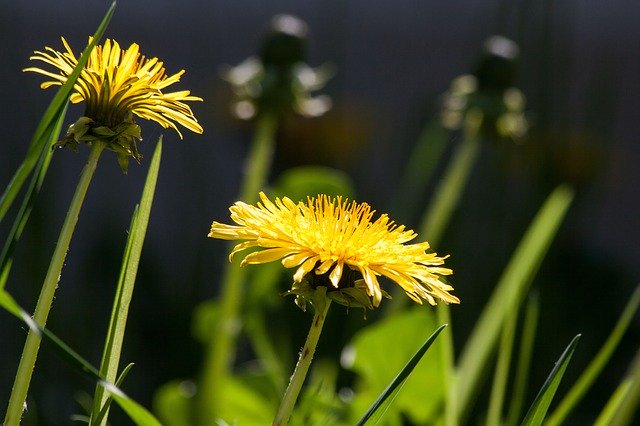
Dandelion Tea

Image by Thanks for your Like • donations welcome from Pixabay

Dandelion tea is known to be a caffeine-free herbal beverage, it is made from the petals, roots, stems and leaves of Taraxacum, coming from the Asteraceae family. Dandelion tea contains high amounts of vitamins A, B, C, D, E, K, and folates as well as contains minerals such as zinc, magnesium, calcium, potassium and iron. Dandelion tea is native to Europe and in places where climates are cool and mild. Most individuals drink dandelion tea as an alternative for people who are trying to lower their coffee consumption, it has a fresh, earthy, sweet flavor.

Health Benefits

  • Strengthens immunity, thanks to the high amounts of antioxidants and anti-inflammatory properties, these help:
    • Fights against infections
    • Fights against the flu and common cold as well as eases symptoms.
    • Reduces cell damage
    • Treats other medical conditions such as:
      • Urinary Tract Infections (UTI)
      • Bladder disorders
      • Kidney problems
      • Cysts in reproductive organs
  • Aids in weight loss as dandelion tea reduces water weight as it increases urination frequency
  • Fights against cancer, this is thanks to the high amounts of antioxidants in dandelion tea.
  • Clean the liver, as dandelion tea helps eliminates toxins harmful to the liver.
  • Supports healthy digestion, which helps:
    • Constipation
    • Relieves pain such as:
      • Bloating
      • Stomach cramps and pain.
  • Treats type 2 diabetes as dandelion tea helps lower blood sugar.
  • Lowers cholesterol, which helps reduces hyperlipidemia.
  • Lowers blood pressure- potassium lowers pressure
  • Promotes healthy and stronger bones all thanks to the vitamin D, K and calcium contained in dandelion tea.
  • Aids skin care, dandelion tea helps:
    • Treats acne
    • and prevent premature aging as dandelion tea helps prevent cell damage.

Side Effects (Low toxicity not known to be harmful)

  • Pregnant or breastfeeding women should consult a doctor before consumption.
  • Avoid mixing with medication and consult a doctor if you wish to drink dandelion tea.
  • Can cause allergic reactions- avoid or consult a doctor if you are allergic to similar plants

Although herbal teas are known to be natural, that doesn’t mean that they are safe for everyone.

If pregnant or about to go under surgery or have any allergies consult with your doctor if it’s safe.

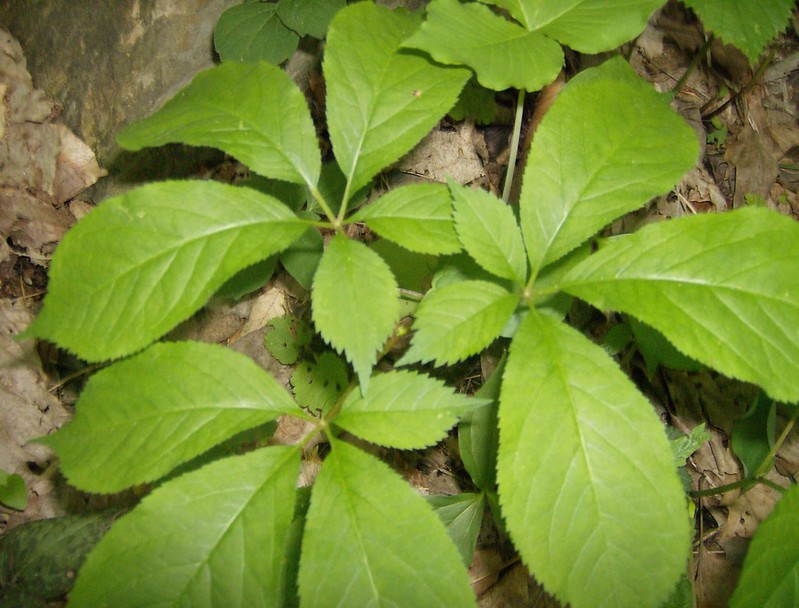
Ginseng Tea

Image by greyxwolf1 on Flickr

Ginseng Tea is a caffeine-free herbal beverage, it is made from the roots and leaves of the perennial plants of the ivy family. Ginseng tea contains 2-3% ginsenoside of Rc, Rd, Re, Rg1, Rb0, Rb1, Rb2, and gintonin. Ginseng tea originated from ancient China, where for many centuries it was used as medicine and as a source of energy, Ginseng tea contains restoring properties, to treat nervous disorders, confusion, chronic fatigue and anemia. The taste of ginseng tea starts with a fresh sweetness but turns into a bitter aftertaste.

  • There  are two types of Ginseng plants, known as:
    • Asian Ginseng (Panax ginseng)
    • American Ginseng (Panax quinquefolius)

Health Benefits

  • Strengthens immunity, ginseng tea has antioxidant properties that fights against inflammation, which prevents against infections, the common cold and flu, it also improves the effectiveness of flu vaccines and antibiotics for bronchitis.
  • Increases energy, although ginseng tea has no caffeine, it still has nutrients that are known to increase.
  • Benefits cognitive function, which improves memory, mood and behavior.
  •  Improves men sex drive, by helping with erectile dysfunction.
  • Helps lower blood sugar levels, it’s very beneficial for people with and without type 2 diabetes.
  • Aids with the treatment of cancer, as ginseng tea reduces side effects of chemotherapy.

Side Effects (There is no known side effects)

  • Pregnant or breastfeeding women should avoid drinking ginseng tea, consult your doctor before consumption.
  • Children should avoid drinking tea, as it’s not recommended.
  • Avoid mixing with medications specifically drugs that contain anticoagulant, as it could lead to negative reactions.
  • Individuals with type 1 and 2 diabetes, consume with caution, as well as monitor blood sugars levels, consult a doctor before consuming tea.

Although herbal teas are known to be natural, that doesn’t mean that they are safe for everyone.

If pregnant or about to go under surgery or have any allergies consult with your doctor if it’s safe.

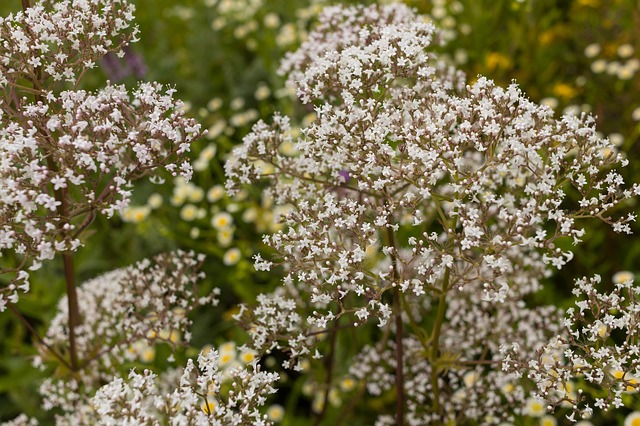
Valerian Tea

Image by Paolinio from Pixabay

Valerian tea is a caffeine-free herbal beverage, it is made from the roots and leaves of perennial plant named Valeriana officinalis. Valerian tea contains vitamins and minerals such as calcium, magnesium, EFA’s beta-caotene and B-Vitamins. Valerian tea originated from ancient Greece and Rome where for many years they used this beverage to relieve anxiety as well as cures insomnia. Valerian tea’s flavor has a strong, grassy and bitter taste along with an earthy and woodsy scent.

Health Benefits

  • Improves brain functions (emotions and thought)
    • Reduces anxiety
    • Reduces effects of epilepsy
    • Improves sleep
    • Anti-convulsive properties
    • Reduces migraines and headaches
  • Improves digestive system
  • Helps with asthma
  • Reduces menstrual cramps
  • Antiseptic treatment

Side Effects

  • Pregnant or breastfeeding women should consult a doctor before consumption.
  • Children younger than 3 years should not consume Valerian Tea.
  • Should not be mixed with medications for depression or anxiety.
  • Do not mix with alcohol may cause negative reactions.
  • May cause allergic reactions, get immediate medical attention and stop consumption, some allergies may include:
    • Causes drowsiness (do not drive), consult a doctor or stop consumption if you are experiencing fatigue.
    • Nausea
    • Uneasiness
    • Mild headaches
    • Upset stomach
    • Restlessness

Although herbal teas are known to be natural, that doesn’t mean that they are safe for everyone.

If pregnant or about to go under surgery or have any allergies consult with your doctor if it’s safe.

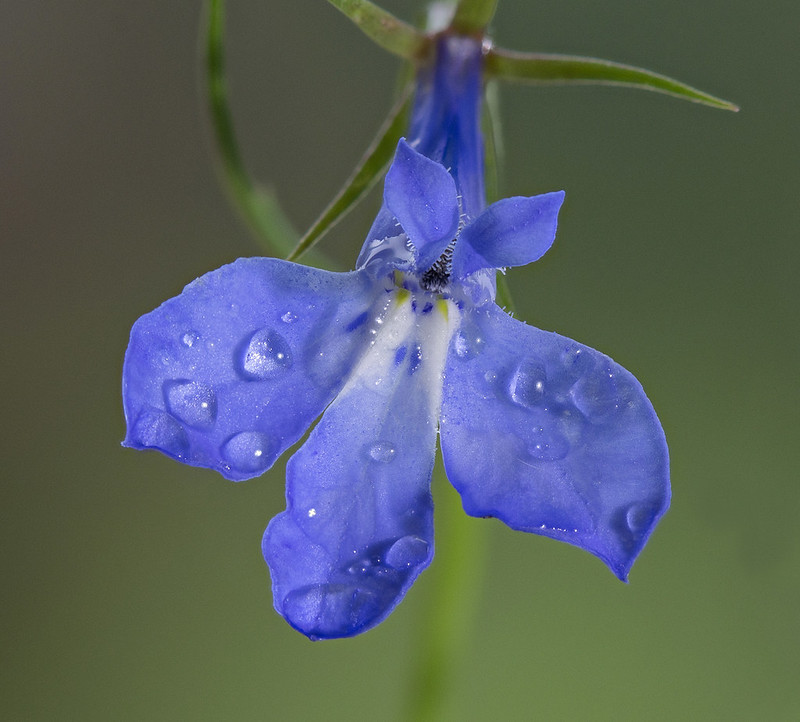
Lobelia Tea

Image by Tony Simpkins on Flickr

Lobelia tea is a herbal beverage and is said to be caffeinated, it is made from the plant of lobelia inflata, coming from the bellflower family, It is also known, as Indian tobacco and puke weed. Lobelia tea contains nicotine, morphine, along with 14 different kinds of alkaloids, some of them being: lobeline, resins, lipids, essential oil and lobelic acid. Lobelia tea is native to the Eastern part of USA and Canada, used for centuries by native American tribes for the medical and healing properties in this beverage. Lobelia tea has a very strong pungent taste, it is recommended to drink it with other herbs, to improve the taste.

Health Benefits

  • Treats alcoholism, the lobeline contained in lobelia tea helps control alcohol addiction.
  • Treats respiratory problems, as lobelia tea helps thin mucus (phlegm) which causes a productive cough to help you breathe better. It helps treat respiratory condtions such as:(not enough evidence to support this benefit):
    • Asthma
    • Bronchitis
    • Pneumonia
  • Treats depression, as lobeline in lobelia tea can help improve mood, increase happiness and lowering depression (not enough evidence.)
  • Treats smoking addictions, as lobelia tea contains nicotine, which helps fight the nicotine withdrawal effects as well as increases levels of the neurotransmitters of dopamine in the brain.
  • Lobelia tea can also be externally applied on the skin which helps treat:
    • Muscle pain
    • Bruises
    • Insect bite
    • Ringworms

Side Effects

  • LARGE DOSES OF LOBELIA TEA CAN CAUSE SEIZURES, COMA OR DEATH
  • Pregnant or breastfeeding women should NEVER consume or apply lobelia tea, it can be very harmful to the baby as well as the mother.
  • Children should never consume or apply lobelia tea, as it can harm the child.
  • Can cause mild or major allergic reactions (stop and get medical attention):
    • Dry mouth
    • Nausea
    • Vomiting
    • Diarrhea
    • Confusion
    • Profuse sweating
    • Tremors
    • Rapid heart beat
  • If you suffer from heart disease, epilepsy, high blood pressure, liver disease, gastrointestinal disorder or kidney disease should consult a doctor before consumption.
  • Avoid mixing with medication, could cause some major reactions, consult your doctor before consumption

Although herbal teas are known to be natural, that doesn’t mean that they are safe for everyone.

If pregnant or about to go under surgery or have any allergies consult with your doctor if it’s safe.

Comfrey Tea

Image by Mark Bradshaw on Flickr

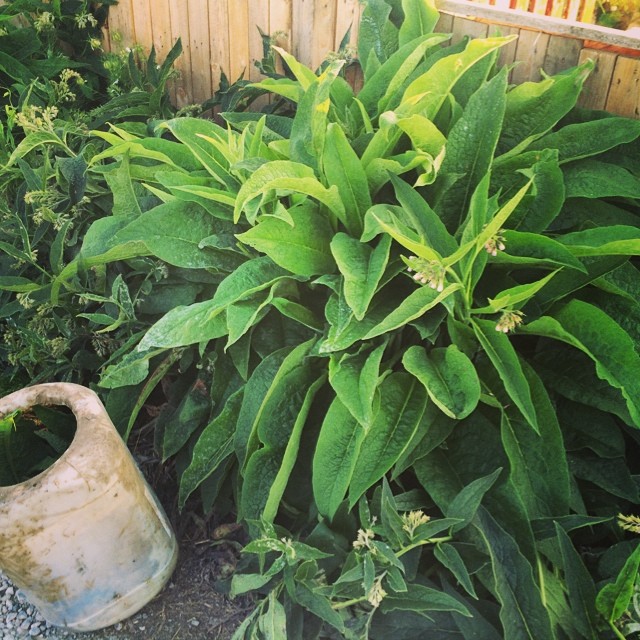
Comfrey tea is a herbal beverage and is said to be caffeine free, it is made from the leaves of symphytum officinale from the boraginaceae family. It is also known, as black root, blackwort, bruisewort, slippery root or wallwort. Comfrey tea contains the minerals; nitrogen, iron, potassium, calcium, phosphorus, magnesium, and copper, sulfur and allantoin, also includes proteins such as tannins and insulin, comfrey tea’s vitamins are A, B1, B2, B3, B5, B5, B6, B12, C and E. This delicious beverage is native to Europe and Asia, today it is found growing in Western Asia, North America, Australia and Europe. In these areas, Comfrey tea is mostly know for its external healing properties, as it is used to strengthen and quickly repair the bones and muscles of the body. Comfrey tea is a delicious beverage, it has the taste of cucumber with a hint of earthy freshness.

Health Benefits (The majority of these benefits still require further research)

  • Has great external and internal healing properties, which help:
    • Heals wounds and bruises.
    • Treats broken bones, sprains and strains.
    • Relieves general aches and pains.
    • Treats acne, reduces scars, relieves burn marks, rashes as well as makes skin smoother.
  • Relieves women from excessive menstrual flow.
  • Improves digestive distress, treating diarrhea.
  • Treats respiratory problems such as:
    • Treating bronchitis
    • Easing chest pains
    • Relieving coughs
  • May prevent cancer, as comfrey tea contains anti-cancer properties.
  • May treat rheumatoid arthritis
  • Improves dental health giving us stronger and healthier teeth.
  • Improves blood circulation, cleansing our bodies from toxins.
  • Comfrey tea is often used as an ointment to ease and treat (External use only):
    • Back pain
    • Osteoarthritis- treating joints in your hands, knees, hips and spine.
    • Sprains and strains.

Side Effects

  • Pregnant and breastfeeding women should avoid consuming and/or applying comfrey tea, as it contains toxins which could effect the baby.
  • May be toxic to the liver or cause liver damage or cancer, do not consume in large amounts.
  • May cause allergic reaction, stop consumption and get medical attention immediately. this might include:
    • Abdominal pain
    • Loss of appetite
    • Lose energy
  • Do not mix with medications, as it could cause major health issues, consult your doctor first.

Although herbal teas are known to be natural, that doesn’t mean that they are safe for everyone. If pregnant or about to go under surgery or have any allergies consult with your doctor if it’s safe.

Yerba Maté

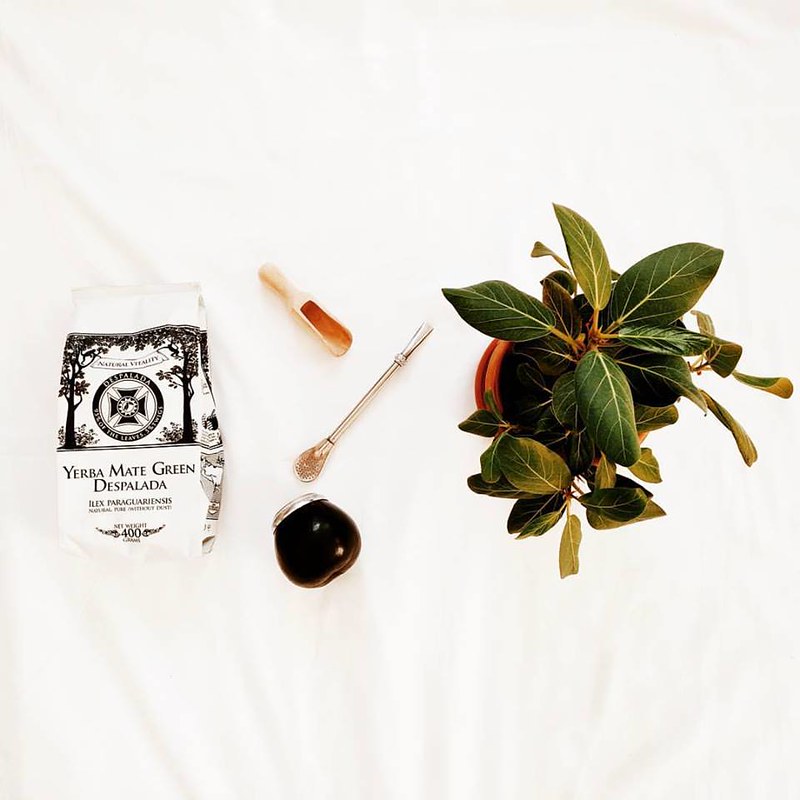
Image by wyncel from Pixabay

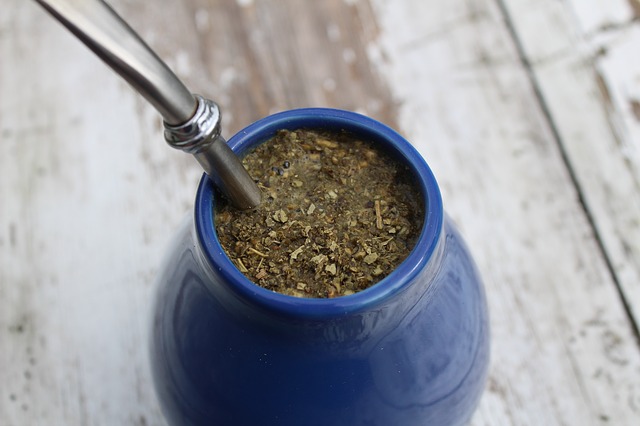
Yerba maté is a caffeinated herbal beverage, it is made from the leaves and twigs of the ilex paraguariensis plant which comes from the aquifoliaceae family. Yerba maté contains almost every nutritious vitamin and mineral which benefits the human body, it has a high concentration  of vitamins A, B1, B2, B3, B5, C, E, as well as the minerals; calcium, sodium, iron, magnesium, potassium, manganese, sulfur, phosphorus, zinc, selenium, saponins, xanthines. Yerba maté originates from South America but is quite popular in Lebanon and Syria. Yerba maté has a leafy, almost bitter, earthy flavor.

Individuals usually drink yerba maté with a small group of people, it’s a sign of a good friendship and bond.

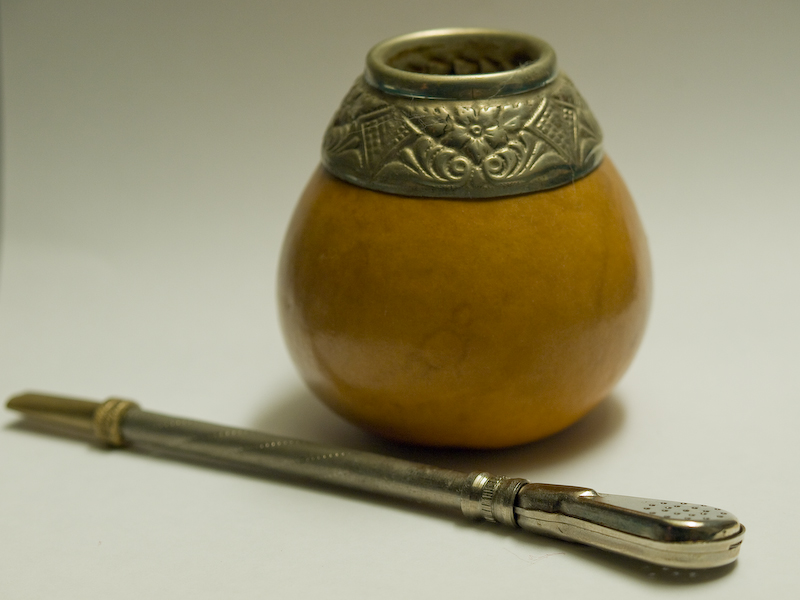
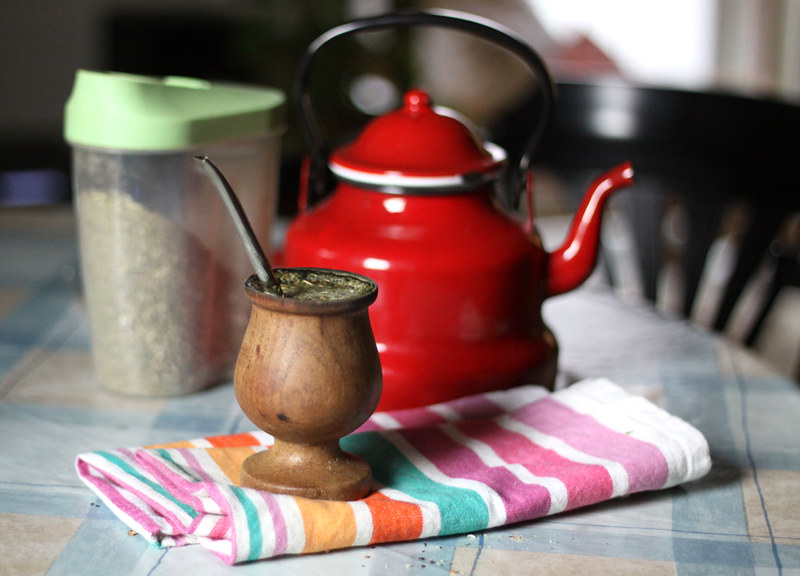
  • This beverage is traditionally consumed using a few instruments:
    • A small cup made from a dried hollow gourd.
    • A small metal straw, known as a  bombilla, this is a special straw which has a filter on the end of it which strains the leaves from water when consumed.
    • A metal tea pot is used to refill the cup with water.
    • A small bowl filled with yerba maté to refill cup every once in a while
    • A small bowl of sugar or honey (optional)
  • Usually Yerba Maté is served on a tray with the mentioned instruments.
    • You start by filling the metal tea pot of water and heat it to a temperature of 65-75ºC.
    • Fill the gourd with less than half way full of yerba.
    • Pour hot water in the gourd until full, and wait for yerba leaves absorb the water. This awakens the tea.
    • Place the filtered end of the metal straw into the gourd.
    • Finally pour the hot water into the gourd until full and enjoy the beverage (when you finish drinking the maté from the cup, refill it with hot water from the metallic tea pot)

Health Benefits

  • Improves immunity, as yerba maté contains beneficial nutrients which are rich in antioxidants and anti-inflammatory properties which strengthens the immune system that:
    • Protects against infections
    • Prevents bacteria
    • Fights parasites
    • Prevents fungus
  • Helps improve cognitive function, which improves mental focus and enhances awareness.
  • Gives a great boost of energy which enhances muscle contractions which improves athletic physical performance.
  • Treats Chronic Fatigue Syndrome(CFS) as yerba maté improves energy.
  • Helps lower blood sugar levels which help treat and/or reduce the risk of type 2 diabetes.
  • Helps lower the risk of heart disease as yerba maté aids in reducing cholesterol levels.
  • Eases digestive system aiding constipation.
  • Reduces kidney and bladder stones, as well as treats Urinary Tract Infections(UTIs)
  • Treats depression and improves mood.
  • Treats headaches and migraines.

Side Effects

  • Pregnant and breastfeeding women should avoid drinking yerba maté as it contains high levels of caffeine which could lead to miscarriages and low birth weight good idea to consult your doctor before consumption.
  • May cause allergic reactions, consume with caution and stop immediately if you experience any reactions and receive immediate medical attention.
  • May cause cancer if consumed in large quantities for a long period of time.
  • May cause a slight headache as yerba maté contains high amounts of caffeine causing high blood pressure and a migraine, avoid drinking in large amounts.
  • Avoid mixing with medications yerba maté could increase the effects of drugs and should consult a doctor before consumption.
  • May cause irritable bowel syndrome causing diarrhea.

Although herbal teas are known to be natural, that doesn’t mean that they are safe for everyone.

If pregnant or about to go under surgery or have any allergies consult with your doctor if it’s safe.

Design a site like this with WordPress.com
Get started