
Echinacea Tea

Image by Suzanne Catty from Pixabay

Echinacea tea is a caffeine free herbal tea which is made from leaves and roots of the echinacea plant, from the group of herbaceous flowers in the daisy family, there are 10 species recognized and they are commonly known as coneflowers. Echinacea tea helps improve immune-system barriers which helps improve immunity. Echinacea tea is native to Central North America and is widely used in Europe. Echinacea tea contains the minerals; vitamin C and D and Zinc. This beverage has a very strong floral flavor, and often described to leave your lips with a satisfying tingling.

Health Benefits

  • Boosts immunity, all thanks to the antibacterial properties in echinacea tea this helps:
    • Fights against the common cold and flu
    • Prevents infections like UTIs
    • Aids healthy cell generation, thanks to the antioxidants in echinacea tea, it helps destroy toxins that are harmful and cause damage to cells.
    • May reduce the risk of breast cancer, as echinacea slows down the growth of tumor cells, stopping cancer from spreading.
    • Helps treat inflammation, as echinacea tea has anti-inflammatory properties, which could help fight Crohn’s disease, arthritis, stomach Ulcers and other conditions caused or worsened by inflammation
  • Helps relieve pain, such as:
    • Toothaches
    • Digestive pain such as (cramps, irritable bowel movement)
    • Rheumatoid arthritis
  • Helps control blood sugar levels, this is thanks to the to antioxidant properties in echinacea tea, helps with treating diabetic individuals.
  • Reduces anxiety, as echinacea tea can be used as an anti-anxiety supplement, it can help individuals feel calmer an more relaxed, in addition it helps to improve our mood due to the smell of the beverage which releases dopamine, helping control our happiness.
  • Lowers blood pressure, thanks to echinacea tea and it’s high amounts of anti-inflammatory and antioxidant compounds, it helps stabilize blood pressure levels.
  • Soothes respiratory ailments, easing individuals with asthma.

Side Effects

  • It is known to be safe for pregnant or breastfeeding woman and young children, consult a doctor before consumption.
  • Avoid mixing with medications as it may cause liver damage and other reactions, consult a doctor before consumption.
  • May cause allergic reactions, consume with caution and stop immediately and consult your doctor if you experience the following:
    • May cause anaphylaxis which is a severe, potentially life-threatening allergic reaction. Get immediate medical attention if this occurs.
    • May cause mild stomach pain and cramps.
    • May cause nausea.
    • May cause rashes
    • Do not consume if you are asthmatic as it may worsen condition, causing breathing difficulties.

Although herbal teas are known to be natural, that doesn’t mean that they are safe for everyone.

If pregnant or about to go under surgery or have any allergies consult with your doctor if it’s safe

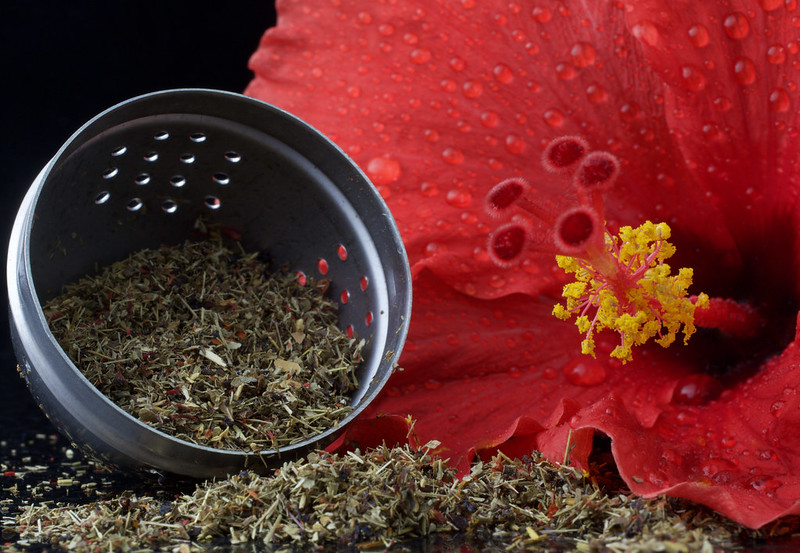
Rosehip Tea

Photo by Gertrud Klopp from Flickr

Rosehip tea is a caffeine free herbal tea, it is brewed from the dried or fresh rosehip that is found just below the rose petals, this comes from the spurious fruit of the rose plant also known as the rosa canina plant, coming from the rose family known as Rosaceae. Rosehip tea originated and is native to Asia, North Africa and Europe, it has been used for it benefiting immunity thanks to the high levels of vitamin A, C and E as well as polyphenols and carotenoids. Rosehip tea has a mild and floral flavor, it was often described to have a taste similar to green apples and hibiscus tea.

Health Benefits

  • Improves digestion, thanks to the anti-inflammatory properties in rosehip tea, this helps prevent:
    • Stomach cramps and pains
    • Heartburn
    • Bloating
  • Prevents heart disease, thanks to the antioxidant properties and high flavonoids contained in rosehip tea, this helps reduce blood pressure as well as improves blood flow which protect our bodies against heart disease.
  • Benefits in weight loss, rosehip tea contains an antioxidant known as tiliroside, which has fat burning properties.
  • Great skin care, as rosehip tea contains high amounts of vitamins C and A, this helps improve collagen synthesis which protects skin cells against the sun as well as slows down aging.
  • Reduces and treats inflammation and pain, the anti-inflammatory compounds known as polyphenols and galactolipids, which helps treat  rheumatoid arthritis.
  • Supports and strengthens immunity, thanks to rosehip tea which contains vitamin C and high levels of polyphenol, it helps increase white blood cells known as lymphocytes, which protects our body against infections as well as helps maintain protective barrier on the skin against outside bacteria.
  • Prevents against type 2 diabetes, all thanks to the antidiabetic effects in rosehip tea.

Side effects (The following side effects are usually caused if consumed in large amounts)

  • There is no known side effects to pregnant or breastfeeding women drinking rosehip tea, however it is always a good idea to consult your doctor before consuming beverage.
  • Avoid medication interaction with rosehip tea, specifically with type 2 diabetes medication, as it may cause medical issues.
  • May cause kidney stones, as rosehip tea contains high levels of vitamin C.
  • May cause irritation and allergic reactions, especially if you are allergic to rosehip or plants relating to rose family (Rosaceae)
  • May effect individuals who suffer from glucose 6 phosphate dehydrogenase deficiency  (G6PD deficiency), as rosehip tea has high amounts of vitamin C which might increase the risks of further complications.
  • Avoid if you have iron disorders such as hemochromatosis, thalassemia, or anemia, the vitamin C in rosehip tea can increase iron absorption.
  • May cause heart attacks (myocardial infarction) as roseip tea contains rugosin E, which might cause  blood clots, increasing the chances of a heart attack.
  • May increase the chances of sickle cell disease, which occurs rarely, this is usually due to the vitamin C in rosehip tea which may cause the blood to become acidic.
  • May cause a stroke as roseip tea contains rugosin E, this might cause  blood clots, which could cause a stroke.
  • Cause blood clots which may effect:
    • Leg movement
    • Lungs, causing shortness of breath
    • Heart attacks
    • Blood sickle disease

Although herbal teas are known to be natural, that doesn’t mean that they are safe for everyone.

If pregnant or about to go under surgery or have any allergies consult with your doctor if it’s safe.

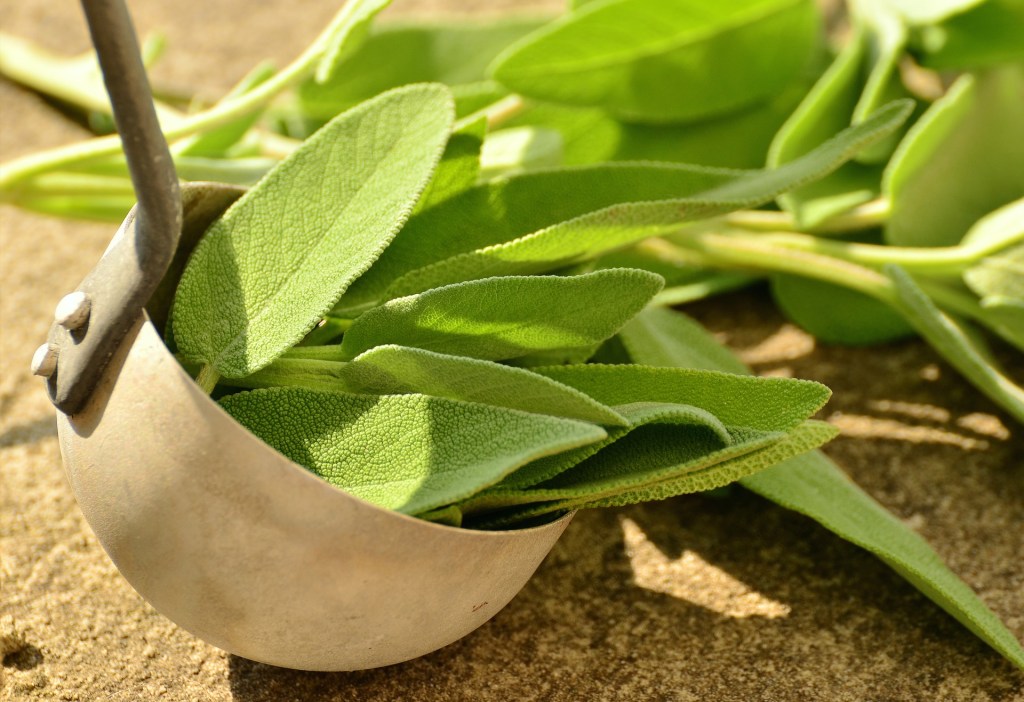
Sage Tea

Image by Selling of my photos with StockAgencies is not permitted from Pixabay

Sage tea is a herbal decaffeinated tea, it comes from the flowers, leaves and twigs of the sage plant, which is also known as salvia officinalis. Sage tea is native to the Mediterranean region where it has been used for it medical properties fore many years. This delicious beverage contains Vitamins A, B6, C, K and folates, as well as minerals such as iron and copper. Sage tea has a very refreshing taste, it is often described to have an bitter and pine-like flavor with a beautiful earthy aroma.

Health Benefits

  • Strengthens immunity, thanks to the high amounts of antioxidants, it helps defend our bodies against infections and harmful bacteria, treating the common cold, flu and sore throat, as well as it lowers the risk of cancer.
  • Reduces the risk of cancer, sage tea helps suppress the growth of cancer cells and stimulator cells which help prevent cancer.
  • Reduces high blood sugar levels, as sage tea increases insulin sensitivity, making it a good treatment against type 2 diabetes.
  • Improves brain health and supports memory, as sage tea contains compounds that acts as antioxidants, this helps increase the brains defense system which aids in:
    • Improving memory
    • Raising attention and responsiveness
    • Improving problem solving skills
    • Increasing a great state of calmness
    • Slows down cognitive decline in old age
  • Supports oral health, sage tea has antimicrobial effects, which is a great remedy against microbes that cause plague in our teeth, also killing candida albicans, fungus, and bacteria that cause cavities.
  • Eases menopausal symptoms, sage tea contains estrogen-like properties, which allows certain receptors in the brain to improve mood swings, hot flashes and excessive sweating.
  • Lowers bad LDL cholesterol levels and raises good HDL cholesterol levels, this helps minimize the risk of heart disease.
  • Relieves diarrhea, sage tea helps relax the gut, which allows for an easier excretion.
  • Strengthens bone health, sage tea contains large amounts of vitamin K which strengthen bone and improve bone density.
  • Benefits in helping reducing wrinkles, thanks to the compounds in sage tea which helps slow down the aging of skin.

Side Effects

  • May be toxic to the brain if consumed in large amounts, as sage tea contains the compound thujone.
  • Pregnant or breastfeeding women should consult a doctor before consumption
  • May cause allergic reactions if mixed with medications, consult a doctor before consumption.

Although herbal teas are known to be natural, that doesn’t mean that they are safe for everyone.

If pregnant or about to go under surgery or have any allergies consult with your doctor if it’s safe.

Passion Flower Tea

Photo by Kathy from Flickr

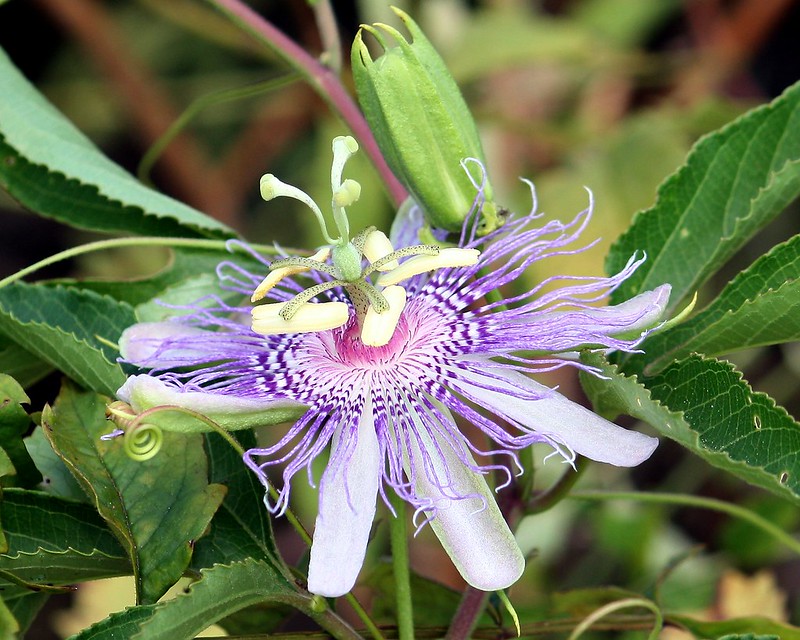
Passion flower tea is a caffeine free herbal tea, it comes from the fresh or dried leaves and petals of the passion flower, the plant is also known as passiflora, it comes from the family passifloraceae. There are over 500 species of passion flowers and vines known globally. Passion flower tea originates in Asia, Australasia, and Polynesian islands, for many years it was mainly used by the North and South Native Americans then spread to Europe after some time. Passion flower tea contains minerals such a: B-vitamins, magnesium, iron, zinc and iodine. Passion flower tea has a very fresh and floral flavor with a hint of a grassy taste.

Health Benefits

  • Eases menopausal symptoms, thanks to passion flowers soothing and calming effects, it can help stimulate and release the GABA receptor, which helps improve mood and regulates hormones.
  • Treat chronic depression and stress, as passion flower tea contains phytochemicals and alkaloids (quercetin, kaempferol), these compounds help improve mood, reduce stress levels, improve energy and positivity.
  • Benefits skin care, if you apply passion flower tea to burns, rashes, irritation and inflammation, it helps reduce the redness and pain, as well as it helps treat eczema and acne.
  • Treats inflammation, passion flower tea contains antioxidants which is very beneficial for individuals that have
    • Joint disorders and arthritis
    • Gout
    • Hemorrhoids
    • Inflammation in gut, helps relieve indigestion, treating constipation, diarrhea, bloating and cramping.
  • Improves sex drive- passion flower tea can increase testosterone levels, giving men an increased sex drive, also improving fertility and virility.
  • Improves heart health, all thanks to the antioxidants (edulilic acid) in passion flower tea, it helps:
    • Prevent heart attacks
    • Treats hypertension
    • Prevents atherosclerosis
    • Prevents strokes
    • Prevents coronary heart disease
    • Reduce strain cardiovascular system
  • Relieves headaches and migraines.
  • Treats sleep disorders, passion flower tea was used to treat sleep disorders like insomnia for many years, since this tasty beverage impacts neurotransmitters, helping us get a good nights sleep.
  • Helps with drug additions, helping to sooth and relieve symptoms of:
    • Withdrawal effects
    • Intensive mood swings
    • Anxiety
    • Nicotine cravings

Side Effects

  • Pregnant or breastfeeding women should avoid consumption of passion flower tea as it effects uterine contractions, causing miscarriages or premature labor, also it can pass harmful chemicals to baby through the placenta or while the baby is being breast fed.
  • May cause cognitive confusion, if passion flower tea is consumed in large amounts, it may cause:
    • Mental confusion
    • Dizziness
    • Lack of coordination
    • Anxiety
  • May cause gastrointestinal (if consumed in large amounts) such as:
    • Nausea
    • Vomiting
    • Bloating
    • Cramping
  • May effect blood pressure, especially if passion flower tea is mixed with blood lowering medications, it can cause can cause:
    • Faintness
    • Drowsiness
    • Muscle weakness
    • Light headedness
  • May cause allergic reactions if mixed with anti-depression, antispasmodic and anti-aging medications, consult a doctor before connsumption.

Although herbal teas are known to be natural, that doesn’t mean that they are safe for everyone.

If pregnant or about to go under surgery or have any allergies consult with your doctor if it’s safe.

Lemon Balm Tea

Photo by Mareefe from Pexels

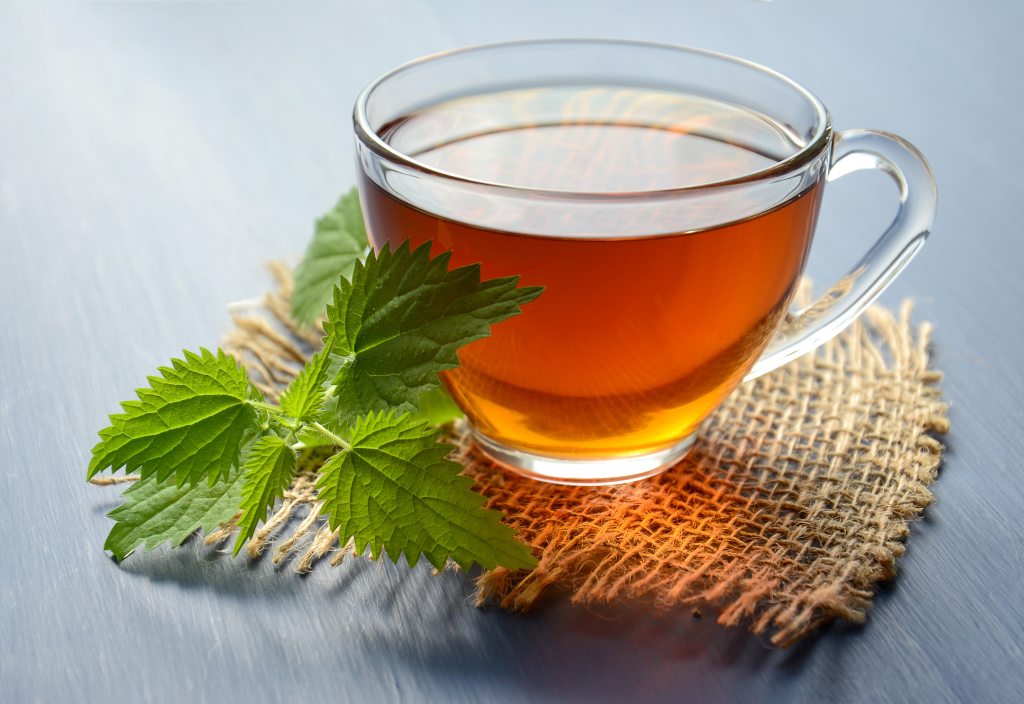
Lemon balm tea is a decaffeinated herbal tea, it is also known as Melissa tea. It is brewed from dried or fresh leaves of a perennial herbaceous plant, from the mint family known as ‘lamiaceae’. It is native to South Central Europe, the Mediterranean Basin, Iran, and Central Asia; where lemon balm tea has been cultivated for over 2000 years. Lemon balm tea contains minerals such as citronellol, caryophyllene, linalool, citronellal polyphenols (eugenol, eraniel and tannins) and other essential oils (citral and lemon) Lemon balm tea has a light delicate yet fresh lemony flavor and has a beautifully scented aroma.

Health Benefits

  • Calms the nervous system thanks to the volatile oils found in lemon balm tea.
  • Relieves stress and supports our nervous system all thanks to lemon balms tea’s rich oils, which give its calming effects.
  • Treats insomnia and aids our sleep, because this delicious beverage contains rich oils, it helps calm our nerves giving us a better sleep at night, this however usually works better when lemon balm tea is combined with other herbs.
  • Relieves anxiety and depression, this is due to lemon balm teas great calming effects.
  • Improves digestive system, lemon balm tea helps treat indigestion and nausea, thanks to its volatile oils which has antispasmodic effects.
  • Relieves headaches/migraines and is a great brain booster, it helps improve cognitive functions and the performance of cognitive tasks by:
    • Improving memory
    • Multitasking performance
    • Mental math
    • Focus
    • Increase level of alertness
    • Overall performance
  • Releases tension and relieves muscles, usually benefiting brain activity if it’s being effected by stress.
  • Strengthens immune system, all thanks lemon balm tea which contains antiviral properties which are rich in polyphenol as well as contains anti-fungal and antibacterial properties, this helps:
    • Recover viral infections
    • Treat the common cold and flu
    • Treat a sore throat (more effective with honey)
  • Eases toothaches thanks to the relaxing properties in lemon balm tea.
  • Prevent and/or treats Alzheimers disease and dementia, lemon balm tea helps reduce anxiety and improve cognitive functions.

Side Effects

Lemon balm tea is often safe and suitable for adults and children, however it may cause the following side effects if you suffer from certain medical conditions.

  • If you have hyperthyroidism or low thyroid, consult a doctor before consumption.
  • May cause allergic reactions (unlikely), the following symptoms may occur:
    • Wheezing
    • Skin irritation
    • Increased body temperature
    • Painful urination
  • May cause negative reaction if mixed with the following medications (consult your doctor before consumption):
    • Glaucoma medication
    • Drugs that contain serotonin
    • Barbiturates drugs
    • Thyroid medication
    • Sedatives
  • Pregnant or breastfeeding women should consult a doctor before consumption.

 Although herbal teas are known to be natural, that doesn’t mean that they are safe for everyone.

If pregnant or about to go under surgery or have any allergies consult with your doctor if it’s safe.

Ginger Tea

Photo by Dominik Martin on Unsplash

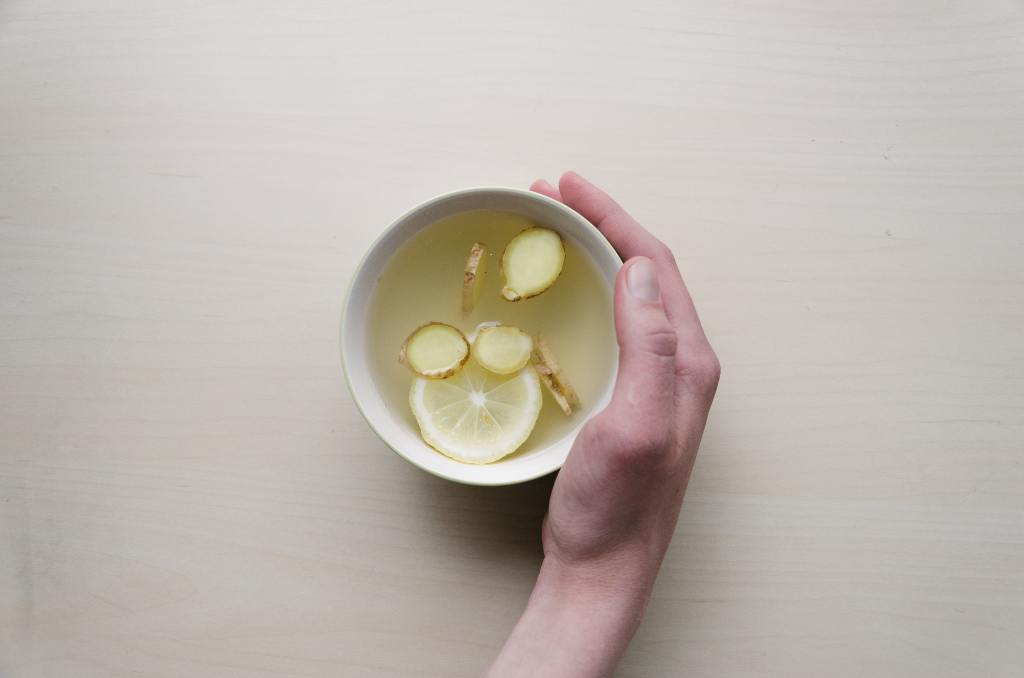
Ginger tea is a naturally caffeine free herbal tea, that comes from ginger root from the plant of the ziniberaceae family. Ginger tea originated in Asia, it has been used as ancient natural medicine in East Asia, Southeast Asia, the Indian subcontinent, and the Middle East. Ginger tea contains high levels of vitamins B3 and B6, vitamin C, magnesium, iron, potassium, zinc, folates and other nutritious minerals. Ginger tea has a delicious fresh flavor that is often described as a spicy, hot and sweet beverage with a strong and refreshing aroma.

Health Benefits

  • Relieves nausea due to pregnancy (morning sickness), surgery or chemotherapy thanks to the gingerol in this delicious tea, it helps ease this nasty symptom.
  • Helps lower blood pressure
  • Supports heart health, thanks to the antioxidants in ginger tea, it helps improves blood circulation, which prevents blood clots, preventing heart attacks.
  • Lowers bad cholesterol preventing type 2 diabetes.
  • Aids in weight loss as ginger tea reduces hunger, it gives you the fullness feeling.
  • Relieves pain, ginger tea is great for treating inflammation, this helps relieve headaches, menstrual cramps, sore muscles, and other pain.
  • Strengthens the bodies immune system, all thanks to the high levels of antioxidants found in ginger tea, it helps prevent cancer, treats coughs, colds, the flu and nasal congestion.
  • Improves men fertility, by enhancing sperm quality as well as helps treat erectile dysfunction.
  • Fights respiratory problems.
  • Helps Alzheimer’s disease which is caused by the loss of brain cells, ginger tea helps reduce the lowering of brain cells.
  • Relieves stress.

Side Effects

  • Ginger tea doesn’t usually have side effects, unless you consume the beverage in large amounts.
  • May cause:
    • Gas
    • Bloating
    • Heartburn
  • Individuals with low blood pressure should consult a doctor before consuming ginger tea.
  • Pregnant women should consume the beverage with caution, as it could raise the risk of miscarriage, consult your doctor and do not drink large amounts.

Although herbal teas are known to be natural, that doesn’t mean that they are safe for everyone.

If pregnant or about to go under surgery or have any allergies consult with your doctor if it’s safe.

Rooibos Tea

Image by miiya from Pixabay

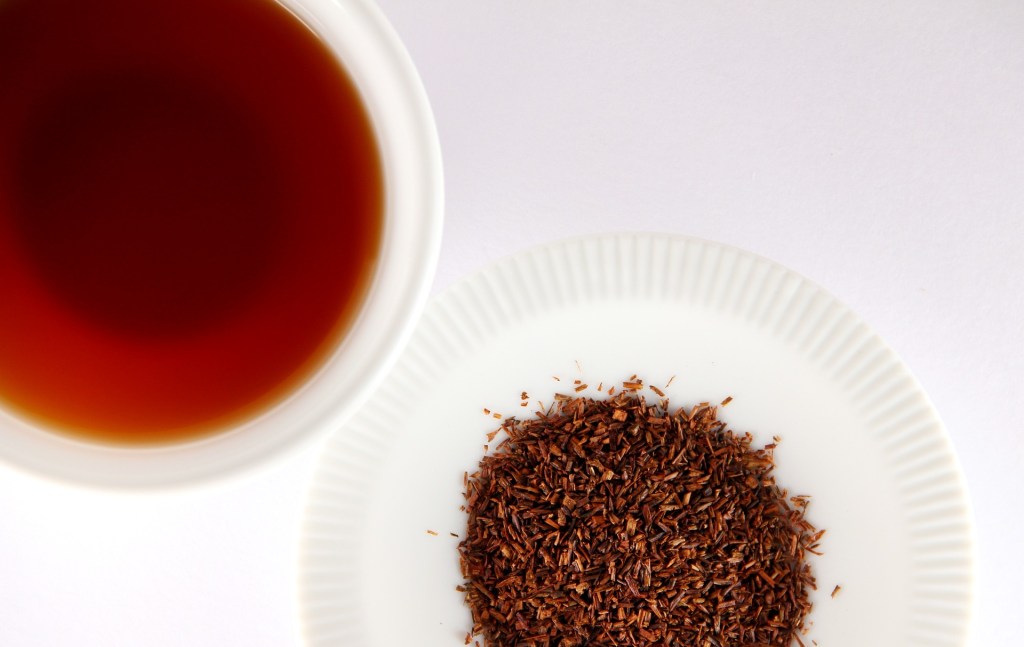
Rooibos tea is a caffeine-free herbal drink, it contains low tannin levels, and is brewed from the dried or fresh leaves from the rooibos flower also known as the aspalathus linearis plant, it comes from a broom-like member of the fabaceae family. This herb contains minerals such as zinc, calcium, magnesium, iron, and vitamin c, it also contains strong antioxidants such as aspalathin which provides great health benefits for our bodies. Rooibos tea is also known as red tea, red bus tea and African red tea. This delicious tea is originates and is native to South Africa.

There are two types of rooibos tea, they are known as:

  • Red Rooibos Tea
  • Green Rooibos Tea

Both types of teas have a nutty, earthy sweet flavor they may have a caramel, vanilla and/or a smoky flavor. The taste may vary depending on the type of tea.

Health Benefits

Rooibos tea contains alphahydroxy acid (which usually isn’t common in foods), it’s properties help:

  • Reduce skin irritation and redness
    • Treats acne and eczema
    • Gives an anti-aging effect on skin, as rooibos tea produces healthy skin cells.
  • Promotes weight loss, as rooibos tea is low in calories best result without the addition of milk and sugar.
  • Eases pain, thanks to the antioxidants in rooibos tea, it helps reduce inflammation, aches and other body pains.
  • Relieves allergies, the chrysoeriol in rooibos tea helps relieve coughing, wheezing, asthma and rhinitis.
  • Strengthen bones all thanks to the calcium contained in rooibos tea.
  • Improves our digestive system, rooibos tea helps relax our digestive muscles helping prevent stomach pains and aches as well as prevents diarrhea.
  • Strengthen our immune system all because of the anti-inflammation properties in rooibos tea.
  • Helps prevent type 2 diabetes- the polyphenol in rooibos tea helps regulate blood sugar, preventing diabetes.
  • Supports heart health, as rooibos tea is high in antioxidants, helps keep;
    • Blood circulation steady, lowering high blood pressure
    • Open up blood vessels
  • Reduces the risk of cancer, the quercetin and luteolin in rooibos tea kills cancer cells as well as prevents tumor growth.

Side Effects

  • May effect hormones, as rooibos tea increases estrogen, therefore, woman with breast cancer or hormones sensitive diseases, please consult a doctor before consumption.
  • Interaction with medications could cause severe allergic reactions- consult a doctor before consumption.
  • Pregnant or breastfeeding women should consult a doctor before consumption.

Although herbal teas are known to be natural, that doesn’t mean that they are safe for everyone.

If pregnant or about to go under surgery or have any allergies consult with your doctor if it’s safe.

Hibiscus Tea

Photo by Terri on Flickr

Hibiscus tea is a decaffeinated herbal beverage, it is an extremely healthy beverage that is made from the fresh or dried petals and leaves of the hibiscus flower. It’s also known as Karkade tea or Jamaica tea (Aua de Jamaica) in some parts of the world it is known as Roselle tea.  Hibiscus tea has a sour and sweet cranberry like taste, along with a beautiful, light crimson color. It contains minerals such as calcium, iron, magnesium, potassium, phosphorus, sodium and zinc, as well as contains B-vitamins, folic acid and niacin. This nutritious beverage is native to Southeast Asia and North Africa, where the beverage has been used for its medical properties.

Health Benefits

  • Improves blood pressure levels, as hibiscus tea contains anthocyanins, which has anti-inflammatory properties, as well as contains phosphorus, both compounds, which reduces blood pressure.
  • Aids indigestion, thanks to the fruity acids contained in the hibiscus tea which helps
    • Stimulate the evacuation of the bowels as hibiscus tea behaves as a laxative.
    • Regulates urination and bowel movement
    • Treats diarrhea and constipation
    • Benefits gastrointestinal system
    • Reduces the risk colorectal cancer
  • Lowers cholesterol, thanks to the hypolipidemic and hypoglycemic properties in hibiscus tea, beneficial for individuals that suffer from disorders like type 2 diabetes.
  • Prevents liver damage, the antioxidants in hibiscus tea assists in treating the liver by detoxifying the body.
  • Prevents cancer, thank to hibiscus tea ad its anticancer, antioxidant and anti-tumor properties, it helps fight cancerous cells.
  • Treats depression and anxiety, hibiscus tea behaves as antidepressant as it contains flavonoid compounds which helps calm the nervous system in the body.
  • Treats Urinary Tract Infections (UTI)
  • Promotes weight loss, as hibiscus tea is low in calories, for the best results drink without sugar or milk.

Side effects

  • Pregnant or breastfeeding women or women trying to conceive should not drink hibiscus tea, as it encourages menstruation, causing consult a doctor if taking birth control before consumption.:
    • Miscarriages
    • Shakiness
    • Constipation
    • Stomach cramps
  • Consult a doctor if you are taking any of the following medications, as it could cause major reactions :
    • Chloroquine
    • Anti-diabetic medications
    • Zocor, medication for liver.
    • Acetaminophen (Tylenol)
  • May cause allergic reactions, stop drinking and seek medical attention immediately if you experience any following:
    • Itchy red eyes
    • Irritated sinus
    • Hay fever
    • Blood pressure issues, not recommended for individuals who already have low pressure or hypertension, as it may cause
      • Faintness and dizziness
      • Damage to heart and/or brain.
    • May cause some individuals to feel intoxicated and/or experience hallucinations, consume with caution and/or consult a doctor before consumption.
  • Avoid drinking if you suffer from diabetes and/or are about to undergo surgery, as it lowers blood sugar levels , consult a doctor before consumption.

Although herbal teas are known to be natural, that doesn’t mean that they are safe for everyone.

If pregnant or about to go under surgery or have any allergies consult with your doctor if it’s safe.

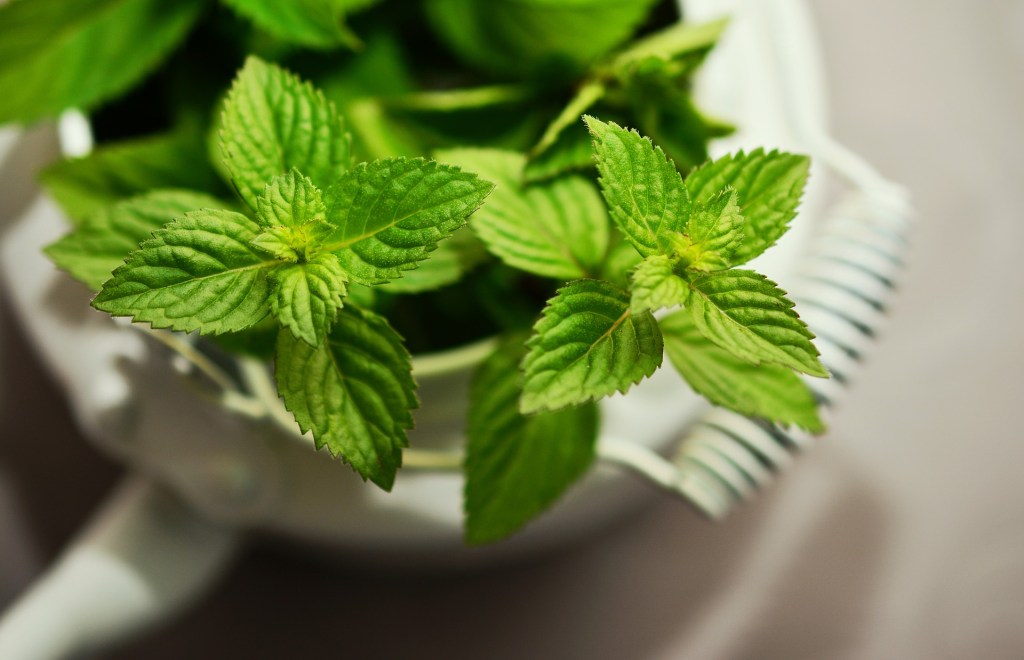
Peppermint Tea

Image by Selling of my photos with StockAgencies is not permitted from Pixabay

Peppermint tea is a caffeine free herbal drink, which is made from the dried leaves of the mint family, which is a cross between spearmint and watermint. Peppermint tea contains the compounds: menthol and menthone. Thanks to the menthol compound it gives peppermint its cooling properties, with a naturally sweet, minty fresh flavor. Peppermint tea originates from Europe and the Middle East. For many years peppermint tea has been used to treat irritable bowel movement all thanks its antibacterial properties.

Health Benefits

  • Relieves headaches and migraines which are usually caused by restricted blood vessels in the brain, peppermint tea behaves just like painkillers, as it opens up those constricted blood vessels in the brain relieving the pain.
  • Clears sinus and clogged nose, thanks to the menthol in peppermint tea it calms inflamed mucus membranes in the nose and throat, clearing up the sinus, making it easier to breath.
  • Fights food-borne illnesses.
  • Relieves indigestion, which treats the following symptoms:
    • Soothes stomach aches, pains and cramps
    • Relives heartburn
    • Relieves gas and/or flatulence
    • Relieves bloating
    • Relieves diarrhea
    • Promotes a healthy digestion
  • Improves mental health, it’s great to drink peppermint tea before an upcoming examination! since peppermint tea helps :
    • Improve memory
    • Reduces stress levels
    • Improves concentration
  • Relieves menstrual pain and symptoms, peppermint tea helps:
    • Relieve cramps
    • Improve mood swings
  • Refreshes and improves bad breath
  • Improves mental and physical energy
  • Improves sleep, which treats disorders such as insomnia.
  • Improves seasonal allergies usually caused by change of weather
  • Aids weight loss thanks to the low calories in peppermint tea, drink without sugar or milk for the best results.

Side Effects

  • Pregnant or breastfeeding women should consult a doctor before consumption, as in extreme cases, large amounts of peppermint tea can cause uterine relaxation, leading to miscarriages.
  • Should not be mixed with medications as it may cause medical issues, consult a doctor before consumption.
  • Avoid consuming peppermint tea if you suffer from Gastroesophageal Reflux Disease (GERD), the calming qualities of the herb may cause the stomach muscles and esophagus to relax more, which may cause further acid reflux.

Although herbal teas are known to be natural, that doesn’t mean that they are safe for everyone.

If pregnant or about to go under surgery or have any allergies consult with your doctor if it’s safe.

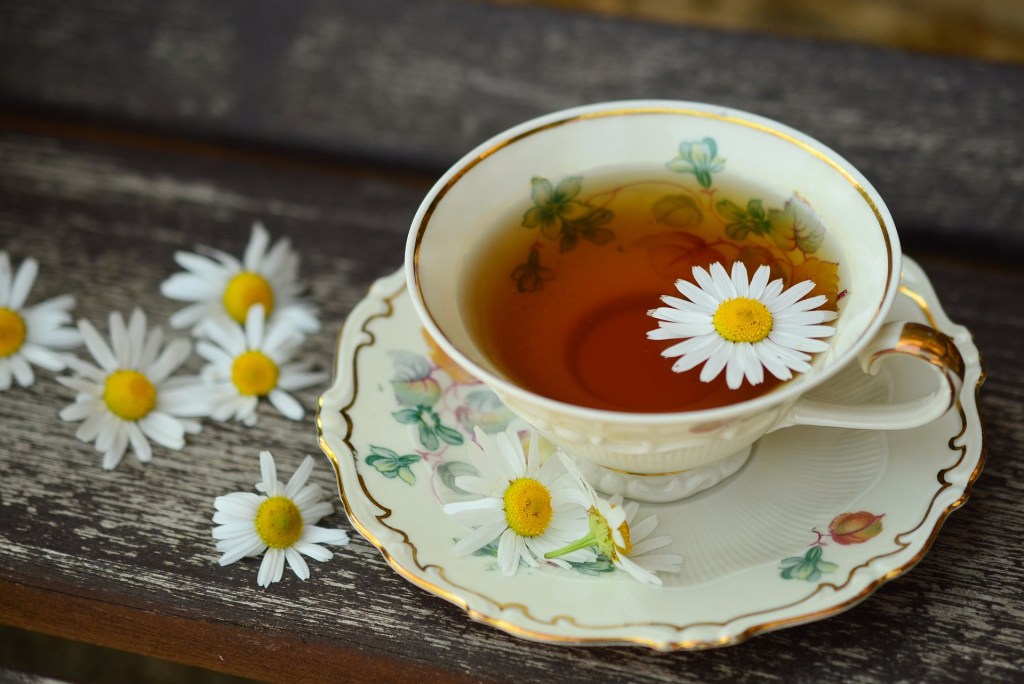
Chamomile Tea

Image by Selling of my photos with StockAgencies is not permitted from Pixabay

Chamomile tea or Camellia tea is a caffeine free herbal tea which is made from the dried petals of the chamomile flower and other daisy like plants from the Asteraceae family. This delicious herb contains manganese and potassium. Chamomile tea is known for its calming, soothing properties and health benefits. This beverage has a beautiful floral scent along with a fruity and rich flavor. Chamomile tea dates back to Ancient Egypt, where it was mainly used to treat high fevers and the flu, as well as used as an early cosmetic.

Health Benefits

  • Relieves stress, helping to aid relaxation.
  • Improves sleep disorders, thanks to chamomile teas calming properties.
  • Improves skin health, thanks to the anti- inflammatory and antioxidant qualities, chamomile tea helps:
    • Treat itchy and scaly skin (Bathing in chamomile tea)
    • Speed up the healing process of scars as well as minimizes wrinkles.
    • Relieves conditions such as eczema and rosacea.
  • Aids indigestion, chamomile tea helps treat:
    • Irritable bowel movement
    • Stomach cramps and pain
    • Abdominal pain
    • Prevents diarrhea
  • Strengthens immunity, thanks to the antibacterial properties in chamomile tea it helps:
    • Fight against the common cold and flu
    • Clears congested sinuses
    • Kills harmful bacteria and viruses
    • Treats a sore throat
  • Improves heart health, reducing heart issues
  • Benefits hair health

Side Effects

  • Pregnant or breastfeeding women should avoid drinking chamomile tea, consult a doctor before consumption.
  • Avoid consuming chamomile tea in large quantities especially if highly concentrated.
  • May cause allergic reactions, stop drinking and seek medical attention immediately if you experience any of the following:
    • May cause Anaphylaxis
    • Avoid drinking if you are allergic to flowers or flowers from the daisy family.
    • May cause skin conditions such as dermatitis
    • May cause eye irritation, especially if chamomile tea is applied on the eyes
    • May cause hypersensitivity reactions
    • May cause nausea and vomiting, especially when chamomile tea is consumed in large amounts
  • Avoid mixing with regular and anticoagulant medications like heparin or warfarin, as it may cause severe reactions since chamomile tea contains blood thinning compounds, consult a doctor before consumption


Although herbal teas are known to be natural, that doesn’t mean that they are safe for everyone.                                              If pregnant or about to go under surgery or have any allergies consult with your doctor if it’s safe.
Design a site like this with WordPress.com
Get started